Reflections from shutting down my VC backed startup after 4 years
The idea wasn’t working, and no amount of optimism or grit would change that. So we made the only honest call left; return the money.

 Markdown for AI Agents
In December 2021, we closed a round to build a decentralised protocol on Solana.
I believed we were about to build something important. It took me four years to accept that we weren’t.
We were fortunate. We had revenue. We returned about 70% of the capital.
But shutting down isn’t about numbers. What stays with you are the decisions, the pressure, the moments when you realise the market doesn’t care about your plans.
This isn’t a post about raising capital or running a company. It’s about the internal shift that happens when you run one with external money. The parts people don’t tell you. The parts I learned the hard way. And the parts I want to do differently next time.
Who is the post for
Most of what I say here won’t make sense unless you’ve tried building something on the internet with your own two hands.
If you:
- write code
- design well enough to trust your own taste
- believe you can sell
- and still decide to build a company despite knowing the odds
…then this is for you.
It's for people who don’t need motivation but perspective. Someone who wants to know what the journey actually feels like, not the polished version that shows up on podcasts.
Your Idea Isn’t the Pitch, the Market Is
I used to think the strength of the idea mattered. It doesn’t. At least not in the way founders imagine.
VCs raise money from LPs on a promise: return capital by betting on the next big ecosystem. Their job is not to validate your imagination. Their job is to position themselves before a wave forms.
- In 1998, that wave was the web.
- In 2008, mobile.
- In 2015, crypto.
- In 2022, AI.
Solana in 2021 had the same energy.
If your idea sits inside the narrative they believe will compound, doors open. If it doesn’t, it doesn’t matter how “clever” you think it is.
Ideas are only valuable in hindsight. After the market has already validated them for you.
Work life balance is a myth
In an early stage company, you don’t maintain anything. You respond.
Customers demand attention at the exact moment you’re exhausted. Teams break down when you least expect it. A fire appears the day you planned a break. And when things finally calm down, something else tilts.
Balance is your ability to keep moving inside chaos.
When you have a job, leadership absorbs the real volatility. Your experience of the market is a stable paycheck. But when you’re the one building, there is no insulation. You operate close to the metal. You feel every fluctuation in revenue, morale, and direction.
You can (and should) take breaks. But don’t confuse rest with repair. Nothing in a company fixes itself because you stepped away for a weekend.
Movement creates balance. Not rest.
Macro markets crash
My startup lived inside the crypto cycle. I learned this the hard way: customers reacted to Bitcoin’s price faster than they reacted to our product. Revenue moved with the market, not with our roadmap.
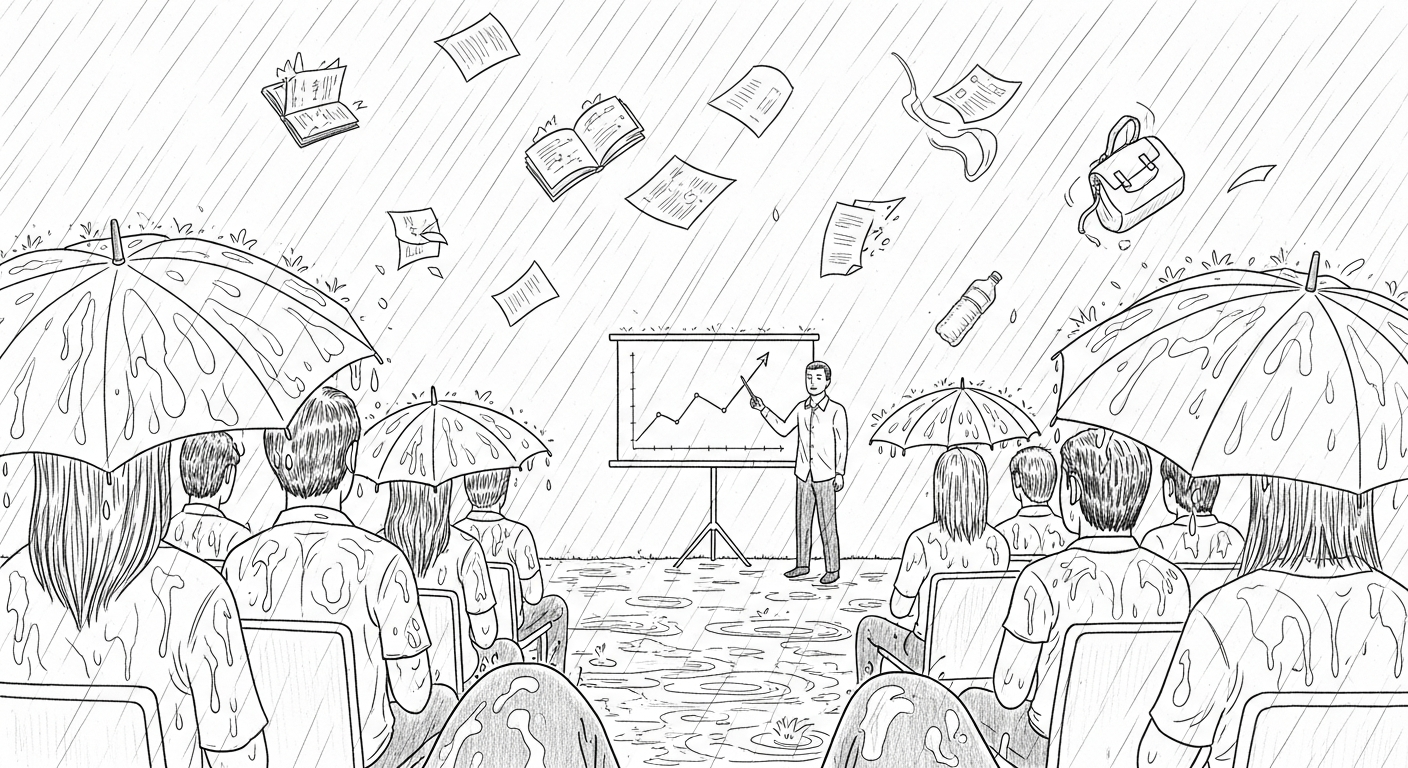
I underestimated how dominant the macro tide is. You can be building well, shipping fast, growing steadily, and the entire environment can still turn against you in a single week.
A surfer once told me:
If you get stuck in a wave, don’t fight it. Let it tumble you. Fighting burns oxygen you need later.
That became the right mental model for volatile markets.
- You can’t out-plan a macro cycle.
- You can’t out-work it.
- You can’t stabilise something the entire system is destabilising.
When the wave turns, let it throw you around. When it calms, get back to paddling.
Raising capital
Most founders treat fundraising like a milestone. It isn’t. It’s a commitment that rewires the entire psychology of the company.
If you’re building something truly deep-tech with long R&D cycles and low probability of early revenue, capital makes sense. But for most internet companies, the biggest cost has always been building the product. That cost collapsed with modern AI tools. What used to take a team of five now takes a focused individual.
The truth I learned late:
- If you haven’t hit product–market fit, capital doesn’t accelerate you.
- It just increases the pressure to pretend you’re progressing.
Having a steady job or savings is a much cleaner way to fund the early stage. You retain your pace, your ownership, and your ability to make honest decisions.
Managing money
The moment you take external money, your relationship with cash changes. It stops being “your” money and becomes fuel for a system you’re responsible for keeping alive.
- Learn the basics of accounting
- Maintain your books
- Model of monthly expenses
- Know your runway and cash in hand
- Record everything that goes in and out
While building fast it's easy to misplace a few thousand dollars. All it takes is one missed contractor invoice.
Fear of loss of software engineer lifestyle
Most software engineers get used to a certain rhythm: good gyms, good gear, travel, conferences, flexible hours. It becomes normal.
When you start a company, that stability disappears.
The routines that kept you healthy and sharp suddenly compete with fires, customers, and cash flow. I didn’t realise how much of my confidence came from those habits: consistent training, good sleep, a clean schedule.
Losing them didn’t feel dramatic, just gradual. But over time it affects how you think, work, and make decisions. Founding a company forces you to live below the lifestyle you could have had as an engineer. It’s temporary, but the adjustment is real.
If you go in expecting comfort, you’ll break.
Don't let your health and social circle collapse
I took the company too seriously. I felt responsible for the money, the customers, the expectations. That tunnel vision cost me two years of my life.
I stopped going out. Stopped meeting people. Stopped doing anything that wasn’t “progress.” My world shrank to a home office and a laptop.
The collapse wasn’t sudden. It was quiet. Worse sleep. No dating life. No new friendships. Days blending into each other because nothing existed outside work.
By the time I noticed, most of the damage was already done. Before shutting down, I forced myself to fix it, rebuild routine, reconnect, get healthy again. It worked, but it shouldn’t have reached that point.
Founders underestimate this part. No one warns you that your health and your social circle are the first to go. And the last to recover.
Doing hard things
I spent too long looking for “easy” problems. Something quick to build and clean to ship. Something the market would instantly understand.
That instinct was wrong.
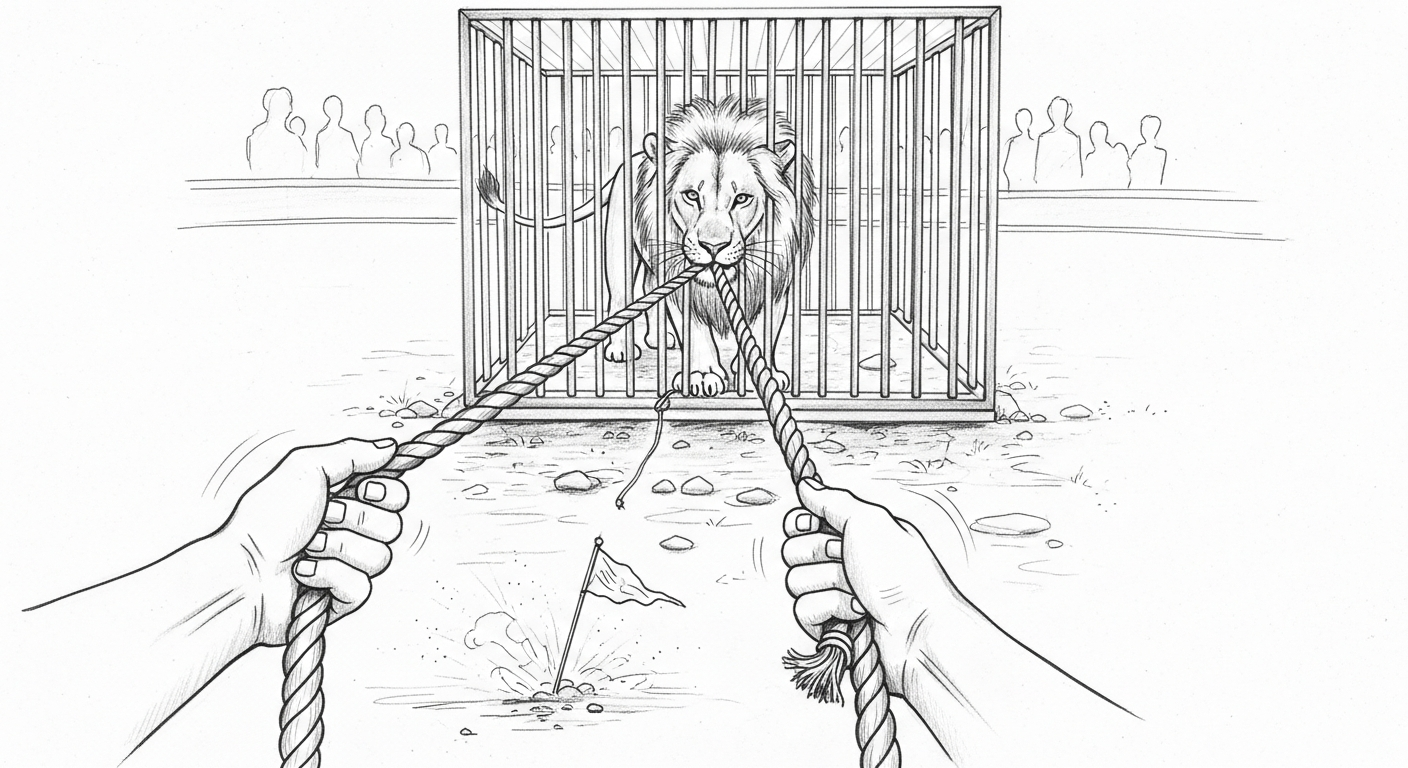
Most real problems sit outside software. They involve operations, regulation, trust, behaviour or money flows. Complex processes you can’t solve with a weekend sprint. Software is just the interface.
I wanted leverage without friction. In reality, friction was the leverage.
Hard problems aren’t harder to build. They’re just harder to start. But once you’re in them, the effort is the same. Punch above your weight. The easy stuff never compounds.
Being in the scene
There’s a real advantage in being around people who think like you. Not for networking, not for hype, but for calibration.
In university, I saw this clearly. Being surrounded by sharp people made me sharper. You rise to the level of the room without noticing it.
That same effect exists in tech. Mark and Sergey were contemporaries. So were Jobs and Gates. Being in the right environment accelerates you in ways effort alone can’t.
My reality is different. I grew up in India and live in Europe. Most of the people who work the way I do are in the US. Some days I feel the distance.
Geography isn’t everything, but proximity matters. You think bigger when the people around you are already operating at that scale.
There is no such thing as a success or failure
People talk about success and failure as if they’re endpoints. They’re not. They’re just positions on a map.
You don't "fail" at a company. You just stop at a level you didn't want to stop at. Someone else might look at that same level and call it success.
Your internal benchmark keeps shifting. The moment you reach something, you raise the bar. The moment you miss something, you redefine the target.
None of this is absolute. You’re not a success. You’re not a failure. You’re just at a stage. The only real question is whether you want to move to the next one.
Timing
At low capital levels, you don’t create waves. You only ride them.
I hated this realisation. I wanted to believe grit and insight can compensate for timing. They can’t.
Your job is simple: to stay afloat. Watch the market. Stay alive long enough for a real wave to appear.
When it does, don’t hesitate. Pounce. Ride it as far as it goes. Don’t wait for a bigger one. Big waves are rare, and you may not get another shot.
When the wave dies, go back to floating. Reset. Look again.
Timing isn’t luck. It’s patience plus readiness.
Competition is validation
When I was younger, I looked for ideas with no competition. I thought it meant "clean opportunity". It actually meant "no market".
Competition is a signal. It tells you customers already understand the problem. It tells you they're willing to pay.
The absence of competitors isn't a blessing. It's a warning. You're either early, wrong, or looking at a market that doesn't exist.
Competing is not a disadvantage. It's confirmation you're in the right arena.
Security
Our Discord server where we built our 8000 member community got hacked. The attackers impersonated me, kicked me out of my own server, and filled it with phishing links.
I tried negotiating. We paid them $1.5k and they didn't return the server back. But the money wasn’t the real hit.
Talking to them was disturbing. Like dealing with people who had no moral compass, no conscience, and no sense of consequence. Just broken minds hiding behind screens. You can’t reason with people like that.
We eventually abandoned the server and rebuilt everything from scratch. The harm was already done.
The lesson was simple:
- Enforce 2FA everywhere.
- Force it across the team.
- And never negotiate with bad actors. Take the loss and move on.
Conclusion
Building a company from scratch changes you. You enter with confidence, assumptions, and a clean mind. You leave with scars, clarity, and a different sense of what matters.
I grew in ways I didn’t expect. As a builder. As a human. As a person carrying responsibility for other people’s money, time, and belief.

I won’t tell anyone to follow this path. If you’re a founder, you’ll ignore advice and do it anyway. There is no glamour in the middle of the journey. Only work, pressure, and decisions you can’t outsource.
But if you make it through, even if you don’t reach the level you wanted, you come out sharper, calmer, and harder to shake. That part is worth it.


